
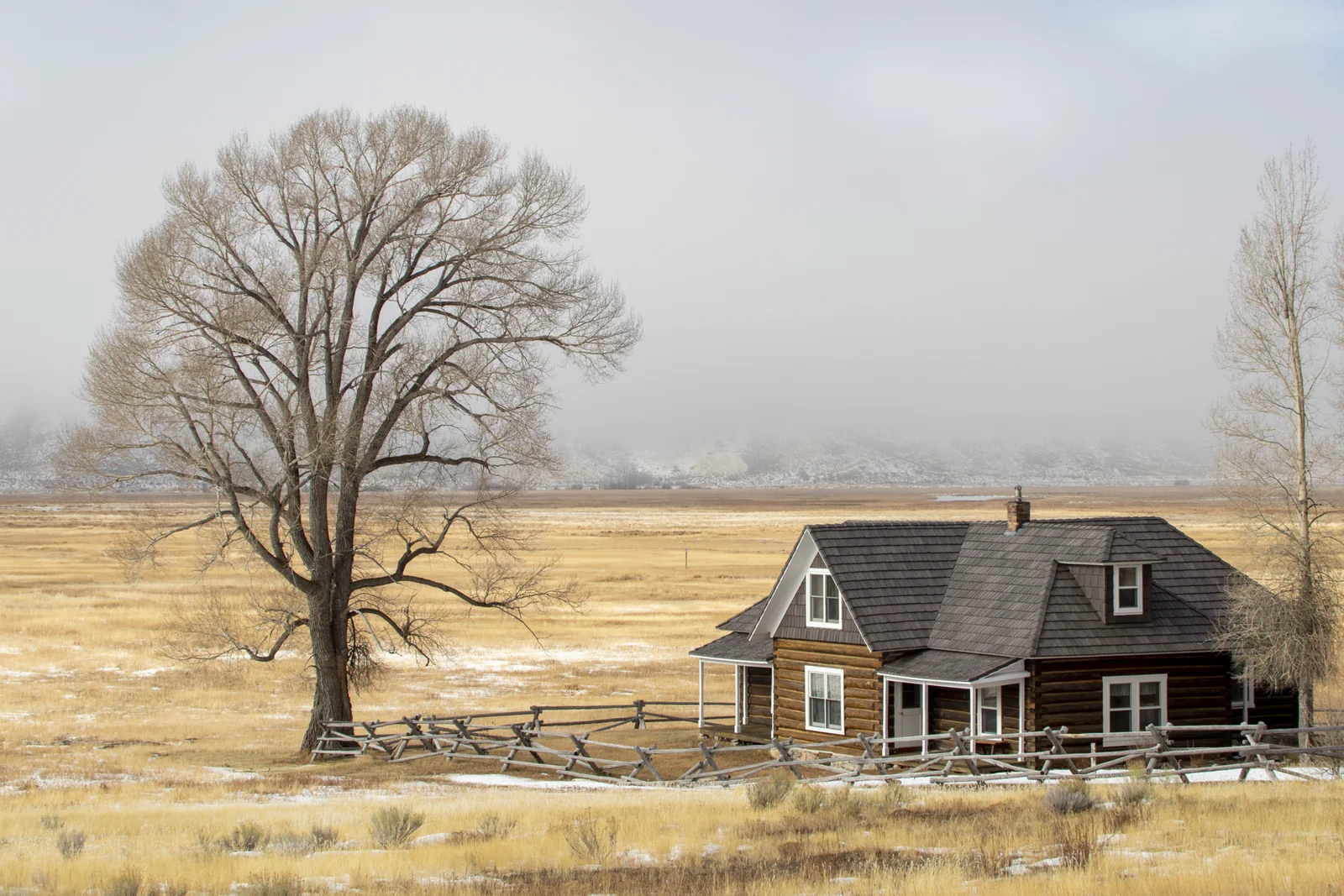

Wyoming FAIR Plan questions require program verification
No operating statewide Wyoming FAIR Plan was identified in the official consumer resources and national program directory reviewed for this guide. This is a qualified finding about the sources examined, not a complete inventory of every possible assistance program. An online page titled Wyoming FAIR Plan does not establish that an official residual insurer is accepting applications.
The Wyoming Department of Insurance is the official source for state consumer assistance and licensing information. The PIPSO member directory identifies many property insurance programs but does not list a Wyoming member. A directory's omissions should be interpreted carefully, and any claimed new program should be checked with the state regulator.
For homeowners facing a decline or nonrenewal, private insurance remains a research path. One company's underwriting decision does not establish every company's decision. The goal is to understand the actual property, the reason for difficulty, and the terms that can currently be offered. This educational website does not recommend a particular business, collect leads, or guarantee acceptance.
Start with the actual reason for the insurance problem
A Wyoming homeowner might encounter difficulty because of roof condition, repeated storm damage, wildfire exposure, occupancy, or an insurer's business rules. A broad description such as high risk does not explain which issue matters. The written notice or underwriting response is therefore more useful than an assumption based on the home's location.
A short timeline can record the current policy's expiration, notice date, stated reason, repair requests, and any reconsideration discussion. Supporting documents can be kept alongside it. An insurer saying it will review evidence is different from agreeing to renew a policy or extend an expiration date.
The property description should also be current. It can include construction, roof age and material, major updates, detached buildings, use of the premises, and prior losses. If a fact is uncertain, the uncertainty should be identified. Guessing a favorable age or describing partial repairs as a full renovation can make a quote less reliable and create problems if the information later proves inaccurate.
Wind and hail comparisons begin with the roof provisions
For a property where wind or hail is an underwriting concern, the roof deserves a detailed record. Installation documents, contractor invoices, photographs, and descriptions of repairs can clarify both age and condition. A coating, patch, or replacement of selected sections should not be described as a complete replacement unless the records support that statement.
Coverage needs an equally careful reading. A proposal may use replacement-cost settlement, actual cash value, or a payment schedule for roofing. It may contain a separate deductible or cosmetic-damage restriction. These details can matter even when the overall dwelling limit appears generous.
An illustrative comparison can hold the building value constant while changing only the roof settlement and deductible. The annual premiums may look close, but the amount retained by the owner after damage may differ substantially. The exercise does not predict a payment. It helps the household identify which questions to ask before assuming two offers provide equivalent protection.
Wildfire concerns extend beyond the word forest
A property description should identify the actual surrounding conditions rather than assuming that only a house deep in timber can raise wildfire questions. Vegetation, access, construction features, and the relationship of outbuildings to the dwelling may all be relevant to an insurer's assessment.
The Department's Commissioner's Corner describes consumer outreach concerning wildfire and mitigation in Wyoming. That activity provides context for the issue, but it does not establish a statewide underwriting formula or a promise that specific work will produce coverage.
A useful mitigation file can show completed work with dates, photographs, and material documentation. It should distinguish the owner's property from adjacent land and completed improvements from future plans. If an insurer requests specific changes, the request and deadline should be kept in writing. An investment in mitigation may be worthwhile without guaranteeing a discount, renewal, or an offer from every company.
Acreage, outbuildings, and business activity need separate descriptions
A Wyoming residence can share land with a workshop, barn, guest building, equipment storage, or income-producing activity. Those features should be explained rather than assumed to fall within an ordinary homeowners policy. The suitable product may depend on how the property is actually used.
A building schedule can identify each structure, its purpose, size, condition, and occupants. Household belongings should be distinguished from business inventory, farm equipment, and vehicles. A single large contents figure does not establish that every category is insured. Special limits and exclusions need to be checked in the proposed form.
Liability questions are separate from property damage. Visitors, rentals, commercial work, and other activities can affect the relevant coverage. Where multiple contracts are proposed, the owner should understand which insurer is intended to address each exposure. The presence of insurance on the main house does not automatically establish coverage for every activity occurring elsewhere on the parcel.
Rural protection information should come from reliable records
Insurers may ask about access, available fire protection, water supply, and the location of the property. A rural owner can improve the quality of the submission by using accurate records instead of estimates that become repeated across applications. A disputed classification should be traced to the underlying information where possible.
Seasonal access can be another practical question. A road that is open during a summer inspection may have different conditions at other times. The file should describe relevant facts without overstating them or promising that a particular vehicle can always reach the home. Emergency planning and underwriting both benefit from clarity, although they serve different purposes.
If infrastructure or protection arrangements have changed, supporting documentation may help explain the change to an insurer. That evidence does not compel acceptance. A company may consider other factors, including its broader exposure in the area. The benefit is a decision based on the current property rather than an avoidable factual error.
Winter care and seasonal occupancy can affect the contract
A home occupied year-round is not necessarily evaluated like a cabin visited occasionally or a house empty during renovations. Heating, plumbing, inspections, and who responds to a problem can become relevant. A mailing address does not fully describe the occupancy pattern.
The proposed policy should be checked for definitions and conditions concerning vacancy, unoccupancy, freezing, and care of the premises. A seasonal property should not be mislabeled vacant, and a vacant structure should not be represented as an occupied second home simply to fit a form. The actual facts and the contract's definitions need to align.
Water events should also be distinguished by cause. A sudden pipe break, long-term seepage, outside runoff, and a drain backup can have different treatment. The owner should identify any optional endorsement that is actually included, rather than assuming all water damage is one category. A contractor's repair estimate describes work; it does not establish insurance coverage.
Rebuilding cost is not a property appraisal
A real-estate price reflects land, location, and demand as well as the building. The mortgage balance reflects debt. Reconstruction cost concerns replacing the structure. These amounts can differ, so none should be substituted for another without an appropriate analysis.
A useful estimate describes the home's construction, size, finishes, attached improvements, and unusual features. For a property with remote access or specialized materials, logistics may deserve additional questions. The guide does not provide one statewide cost per square foot because that would hide meaningful differences between homes.
Coverage for code-related work, debris removal, and temporary housing should be reviewed separately. Actual cash value and replacement cost are different valuation methods, and replacement-cost provisions can have conditions. An extension above a dwelling limit, if included, has its own wording. A large number on a declarations page is not a promise to pay every expense associated with reconstruction.
Endorsements can add protection or remove it
The Wyoming Department's insurance topics resource explains that endorsements change a policy and can add, remove, or modify coverage. A homeowner reviewing a renewal should therefore examine the endorsement list rather than assuming that the basic policy name tells the whole story.
A useful review places the old and new declarations beside each other, then identifies new or changed forms. A roof limitation, water exclusion, or revised deductible can alter the practical value of the policy even if the main title remains the same. Conversely, an added endorsement may address a gap that was previously uninsured.
The comparison should record the form's actual name or identifier and the question it answers. A marketing phrase such as enhanced coverage is not enough. If a document is missing from a proposal, it should remain an unresolved item rather than being assumed favorable. This approach makes changes easier to explain and reduces dependence on memory.
Private and surplus-lines research should remain open but disciplined
Private options may involve admitted insurers or eligible surplus-lines insurers reached through appropriately licensed professionals. Neither category guarantees a particular level of coverage. A product described as specialty can be broad, narrow, or tailored to a particular occupancy or exposure.
A market log can record which insurer considered the risk, when, and what response was given. Several intermediaries may approach the same insurer, so the number of conversations is not necessarily the number of distinct market decisions. Consistent property information helps make those decisions comparable.
For surplus-lines proposals, the owner should understand the insurer's identity, applicable policyholder protections, taxes and fees, cancellation terms, and financial information. The agent or underwriting manager may not be the insurer responsible for claims. Those roles should be clear. A favorable price does not remove exclusions, and a strong financial rating does not broaden the contract.
Claims history should show what happened and what changed
Repeated claims can narrow the market, but they should be described with enough detail to understand the present risk. A chronology can include the date, cause, paid amount when known, current status, and repair evidence. A claim still open and a fully repaired loss are different facts.
For example, several storm losses may involve different components or repeated damage to the same unrepaired roof. A factual record should preserve that distinction. The purpose is not to argue that the history disappears, but to explain the property's current condition honestly.
Applications may ask about losses even when no payment was made. The actual wording should guide the response. Reporting errors can be disputed with supporting documents, but a disputed entry should not simply be omitted. No universal number of claims establishes acceptance or rejection across every Wyoming insurer and policy form.
Photographs of tools or equipment should also record whether the items are used personally or for income-producing work. An inventory that identifies ownership and use can prevent the same item from being assumed covered under two policies, or omitted because each insurer believes another contract is responsible. The relevant policy definitions still control the result.
Maintain continuity while seeking answers
A complaint, a repair project, and an insurance search can overlap. A request for review does not itself extend a policy. The expiration date, repair deadlines, and proposed inception date of a replacement should remain visible on one calendar.
The Wyoming Department of Insurance provides official consumer assistance and licensing resources. A focused inquiry includes the policy, notice, correspondence, relevant dates, and the specific issue needing explanation. If the concern is an incorrect inspection finding, the evidence should address that finding directly.
The replacement process also needs status tracking. A quote is not necessarily a binder, and an application may still depend on underwriting, inspection, or payment. Written confirmation of accepted coverage is necessary before treating the old policy as replaced. A lender's request for proof of insurance is not itself proof from the insurer.
Use neutral searches and keep conclusions proportionate
Both Wyoming FAIR Plan and Wyoming high risk homeowners insurance are neutral Google research phrases. The FAIR Plan phrase may return general explanations or another state's program. It does not establish an operating statewide Wyoming plan. The second phrase can help broaden private-market research without directing the reader to a particular provider.
Search ranking, advertisements, and official-sounding names do not verify licensing or suitability. State regulator resources and current insurer documents provide stronger evidence. Proposed programs and outdated articles should be identified as such rather than treated as current coverage.
A well-organized Wyoming insurance search makes the known facts and remaining questions visible. It identifies the property's condition, documented improvements, actual market responses, and the coverage gaps in available proposals. Difficulty finding insurance deserves careful investigation, not an unsupported conclusion that every private option is closed or that an unverified FAIR Plan will solve the problem.