
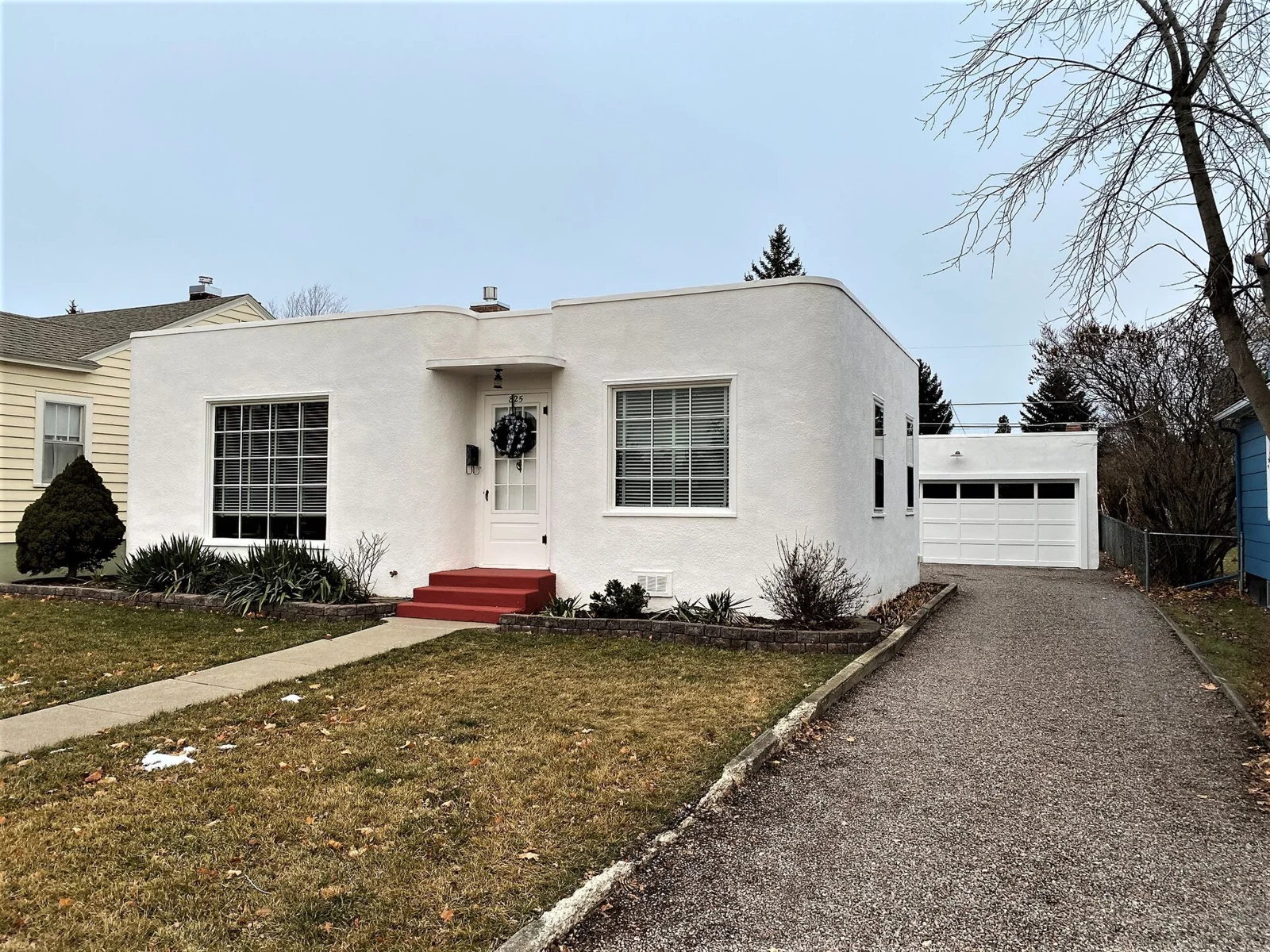

Montana FAIR Plan searches need an accurate starting point
No operating statewide Montana FAIR Plan was identified in the official consumer resources and national program directory reviewed for this guide. That is a qualified research finding, not a promise that no narrowly targeted assistance or future mechanism can exist. An article using Montana FAIR Plan in its title does not establish an official insurer or application portal.
The Montana Commissioner of Securities and Insurance fire resource provides state consumer information. The PIPSO directory lists many property insurance programs but does not identify a Montana member program. Because membership is not a complete legal inventory, current state guidance remains important when checking any claim that a new plan has become available.
Homeowners facing nonrenewal should continue researching private insurance. Different companies can have different underwriting criteria and geographic exposure. A decline is not proof that every company has rejected the property, but neither is continued searching a guarantee of an acceptable offer. This independent educational website explains those distinctions without selling coverage or collecting application information.
Separate the insurer's reason from the household's assumptions
A Montana home can become difficult to insure for several reasons: wildfire exposure, roof condition, repeated claims, seasonal occupancy, or an insurer's broader business decision. The relevant evidence depends on the reason. A new roof invoice may resolve an inaccurate age record without changing a company's regional concentration policy.
A useful file begins with the actual notice and the current insurance contract. A short chronology records when the notice arrived, the ending date, the explanation supplied, and any repair or reconsideration discussion. If the insurer has not given a clear explanation, that absence should be recorded as an open question rather than filled with a guess.
Property information should be similarly precise. Roof material, construction, major system updates, detached structures, occupancy, and losses all deserve accurate descriptions. An application that calls a partially updated house fully renovated can create problems later. A clear description lets the insurer evaluate the real property, even when the result remains uncertain.
Wildfire scoring and mitigation are active Montana policy subjects
In its 2025 discussion of insurance costs and wildfire, Montana CSI described legislation addressing risk-score transparency and mitigation-related premium reductions. That official explanation is useful context, but individual rights and requirements should be checked against current law and regulator guidance. A general article should not turn a policy announcement into a universal promise of a discount or renewal.
For a score-related decision, practical questions include what information was used, which characteristics of the property are reflected, and how an error can be corrected. If the insurer has an outdated roof description or a wrong building location, the owner can assemble evidence that addresses that specific issue. A disagreement about the broader landscape may involve different information.
Completed mitigation should be documented with dates, photographs, invoices, and any assessment actually obtained. Planned work should remain labeled planned. The record should also distinguish conditions on the owner's property from adjacent land outside the owner's control. Accuracy is useful even when it cannot eliminate the insurer's concern.
A rural home may need more than a standard house description
Montana residences can include acreage, workshops, barns, guest cabins, animals, and income-producing activity. Those features do not automatically make the property uninsurable, but they can change the appropriate questions and product category. An ordinary homeowners description may not capture every structure or activity on the parcel.
A property map or inventory can identify each building's use, size, condition, and occupants. Household storage, farm equipment, business stock, and a rented guest building should not be merged into one undifferentiated contents value. The owner should understand whether a homeowners, farm, commercial, or another form is being proposed and why.
Liability deserves the same attention. The people insured, premises covered, and activities excluded are separate from fire protection for a structure. A policy can insure a building without addressing every allegation connected to an operation on the land. If several contracts are needed, their responsibilities and any overlap should be explained in writing.
Fire response and access should be described from records
For a rural property, an insurer may ask about road access, fire protection, water supply, or distance from services. The file should use reliable information rather than an informal estimate that becomes repeated across applications. If a protection classification is disputed, the question is which underlying fact or record is incorrect.
A recent change, such as a new access route or updated protection information, may require documentation before an insurer can consider it. Photographs, maps, and confirmation from the relevant organization can help explain the situation. A map pin alone does not necessarily describe seasonal accessibility or the condition of a long driveway.
These details also matter for rebuilding estimates and emergency planning, although those are separate subjects. A fact that improves the description does not compel every insurer to accept the risk. The aim is to avoid a decision based on preventable uncertainty and to understand which concerns remain after the information is corrected.
Hail, wind, and roof settlement need separate entries
A roof's installation date and material are useful only when they are accurate. A repair, coating, or replacement of selected components should not be recorded as a complete roof replacement unless that is what occurred. Contractor records and dated photographs can clarify the distinction.
The coverage comparison should identify whether the roof is settled at replacement cost, actual cash value, or under a payment schedule. Separate wind or hail deductibles and cosmetic restrictions, if present, belong in the same record. A large dwelling limit does not override a specific roof limitation.
An illustrative example involves two offers with similar prices. One may use a higher flat deductible, while another has a percentage deductible tied to an insured amount. The household should translate the applicable percentage into dollars and read the trigger. The cheaper annual premium may involve a substantially larger retained loss. The example does not predict a claim; it shows why the deductible design must be understood.
Winter conditions and intermittent occupancy
A Montana property used seasonally or left empty for extended periods can raise questions about heat, plumbing, inspections, and response to damage. The actual pattern should be described rather than inferred from whether furniture remains inside. A second home and a vacant building may be treated differently under the proposed contract.
Insurance conditions concerning freezing or care of the premises should be read carefully. The owner needs to understand what actions are required and what evidence would show they were taken. A casual arrangement with a neighbor may be helpful without satisfying every policy condition.
Water losses also require cause-based analysis. Frozen plumbing, recurring leakage, surface runoff, and a backup are not interchangeable. A proposal should identify any relevant endorsement, exclusion, or limit. The fact that several events can occur in winter does not mean one general winter-damage statement accurately describes the coverage.
Reconstruction values should reflect the actual structure
Montana's land values, location, and market demand can make a purchase price differ significantly from rebuilding cost. A mortgage balance measures another separate amount. The dwelling limit should be evaluated with an appropriate reconstruction estimate rather than selected solely from one of those figures.
The estimate should include distinctive materials, log construction where applicable, additions, attached structures, and significant finishes. Remote access and construction logistics can be questions for the estimator. The guide does not supply a statewide price per square foot because that would conceal meaningful differences between properties.
Code-related expenses, debris removal, and temporary housing should be checked independently. Actual-cash-value settlement can introduce depreciation even when a limit appears sufficient. Replacement-cost coverage may also have conditions and deadlines. Understanding the valuation method is therefore as important as choosing a number on the declarations page.
Prior claims can be explained with a cause-and-repair chronology
A concise chronology can identify each loss, when it happened, what caused it, the amount paid when known, and the repairs completed. This makes the current condition easier to evaluate than a general statement that the homeowner has several claims.
For example, a roof loss followed by documented replacement tells a different factual story from an unrepaired roof with recurring damage. Two plumbing events may involve unrelated causes or one unresolved system issue. The explanation should preserve that distinction without minimizing the events or implying that repairs erase the loss history.
Applications should be answered according to their wording, including relevant losses without payment. An inaccurate reporting entry can be disputed with supporting documents. The owner should retain the dispute record and any correction rather than simply omitting the event. No universal claims-count rule determines the response of every Montana insurer or every type of policy.
Private and surplus-lines insurance require a common comparison
A private-market investigation may include admitted insurers and eligible surplus-lines insurers through properly licensed professionals. The term specialty insurance does not identify one standard contract. A dwelling policy, a broad homeowners policy, and a policy excluding a major exposure can all appear under similar marketing language.
A consistent worksheet should record the insurer, form edition, covered causes of loss, building and belongings limits, valuation, deductibles, liability, temporary housing, and exclusions. Fees, taxes, and cancellation provisions should be included in the financial comparison. A proposed optional endorsement is not a purchased benefit until the documents include it.
Surplus-lines policyholder protections can differ from admitted coverage, so the insurer's status and financial information need independent attention. The producer arranging coverage and the insurer owing claim payments may be different organizations. Identifying both helps the owner know which party can answer which question and prevents a distributor's brand from standing in for the actual insurer.
Temporary housing and recovery documents are part of planning
Montana CSI's fire guidance discusses documentation after a loss and the importance of safe mitigation. Before a loss, a household can prepare an inventory and copies of essential insurance records stored away from the home. Safety should take priority over entering damaged property to retrieve documents.
Temporary living expenses deserve a separate policy review. The covered trigger, available amount, time limit, and receipt requirements can affect how useful the benefit is. An extended rebuilding process does not automatically extend insurance payments indefinitely. Ordinary mortgage payments and additional lodging costs also serve different roles in the household budget.
A simple emergency file can include policy numbers, the actual insurer's contact details from the policy, photographs of belongings, and copies of important records. It should be kept securely. This educational website does not request those documents or provide a claims-submission service.
Handle a disputed notice without losing track of coverage
A reconsideration request and a replacement search can proceed together. The homeowner should retain the notice, policy, correspondence, and evidence supporting any disputed fact. An insurer's agreement to review a document does not itself establish renewal or change the ending date.
Official assistance from Montana CSI can help consumers understand state insurance questions. A focused inquiry identifies the action being questioned and the answer sought. It should not assume that the regulator can guarantee a new insurer or that a complaint automatically keeps a policy in force.
The replacement file should show the actual stage of each offer: quote, application, underwriting review, or confirmed coverage. Any payment, inspection, or repair conditions should remain visible. The new effective date needs written confirmation from the responsible organization before the homeowner treats the old arrangement as replaced.
Use searches to explore, then verify
Neutral Google phrases include Montana FAIR Plan and Montana high risk homeowners insurance. The FAIR Plan phrase may return commentary or information about other states. It is not evidence that Montana currently has an operating statewide program. The high-risk phrase can broaden private-market research without recommending a specific business.
Search results can include advertising, commercial providers, and outdated summaries. A result's rank is not proof of licensing, government affiliation, or coverage quality. Official sources and actual policy documents should be used to resolve consequential questions.
The most useful research outcome is a clear account of available options and remaining uncertainty. It identifies the home's current condition, the markets actually approached, the terms being offered, and the gaps the household would retain. A difficult Montana search does not establish that every private route is closed, but a proposed program or encouraging conversation is not a substitute for an accepted insurance contract.