
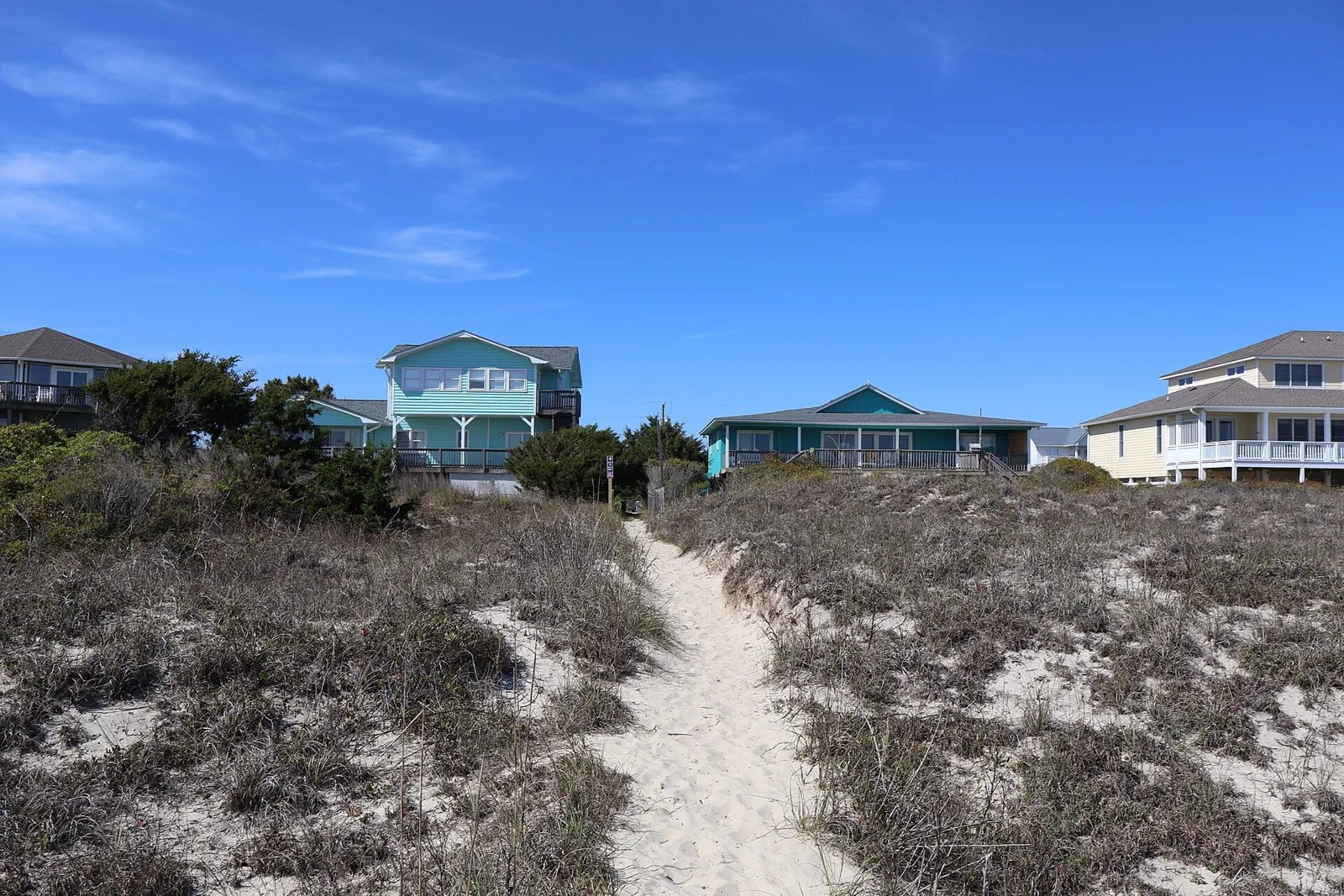

A coastal homeowner may be told the home has hurricane coverage and still be uncertain about what that means. A hurricane can cause wind damage, rainfall damage, storm surge, and flooding, and a household may have more than one policy involved. The name of the storm does not decide which contract responds. The causes of damage, policy wording, deductibles, and available evidence all matter.
This guide explains how to organize a coastal coverage review before a storm creates urgency. It is consumer education, not a coverage determination for a particular claim. Private homeowners insurance, separate private wind or flood coverage, and applicable residual mechanisms may all be relevant. A coastal association should not automatically be called a statewide FAIR Plan or treated as a complete substitute for homeowners insurance.
Separate the hazards before comparing policies
Wind can damage a building directly or create openings through which rain enters. Rising water or storm surge raises a different insurance question. Other damage may involve falling trees, power loss, or conditions that the policy addresses in a separate way. Start by listing the hazards that matter to the property rather than searching for one broad promise labeled hurricane protection.
The National Weather Service explains that hurricane hazards include more than wind speed, including storm surge and inland freshwater flooding. For insurance purposes, the practical lesson is to ask about each cause of loss. A home does not need to sit directly on a beach to merit a flood review, and a strong wind policy does not establish that rising-water damage is insured.
Find out where wind coverage sits
Wind and hail may be included in a homeowners policy, excluded and insured separately, or addressed through another arrangement available for the property. The Texas insurance department’s windstorm guide illustrates that how coverage is obtained can depend on location. Its details apply to Texas and should not be imported into another state’s rules.
Ask which actual policy is intended to cover wind and hail at your address. Obtain the endorsement that adds or excludes the protection rather than relying on the quote title. If separate coverage is proposed, check the named insured, address, effective dates, limits, and mortgagee details across the policies. The existence of a homeowners declarations page alone does not answer whether wind was retained, limited, or removed.
Understand coastal pools in their own right
A coastal wind pool or association may have defined territory, product choices, eligibility requirements, inspections, and other conditions. Those details must come from the current official program. Do not assume a nearby property’s eligibility establishes yours or that a coastal mechanism provides fire, liability, contents, and temporary living expenses in the same way as a package policy.
Build a simple program record: exact organization name, official website, eligible territory, relevant product, and the documents needed for the property. Keep unanswered questions visible. If the state also has a separate FAIR Plan or residual insurer, treat that as a distinct organization or product until official information establishes the relationship. Clear classification prevents a homeowner from comparing policies that solve different parts of the problem while believing they are interchangeable alternatives.
Keep private-market options in the comparison
Some homes may have a private homeowners option with wind included; others may need separate private or residual wind protection. Specialty and eligible surplus-lines products may also be relevant. Availability depends on the home and the applicable market rules. A decline from one company does not establish that every private route is closed.
Ask for the complete proposed arrangement and compare coverage, total charges, deductibles, and financial protections. A single-policy option may be simpler to administer but still contain important restrictions. A multi-policy option may address the needed exposures but require careful coordination. Neither structure is automatically superior. The meaningful question is whether the household understands what each policy protects, what it leaves out, and what conditions must be met before it becomes effective.
Read storm deductibles by trigger and calculation
A policy may distinguish an ordinary deductible from a wind and hail, hurricane, or named-storm deductible. Those labels are not necessarily interchangeable. Ask exactly what event triggers the special deductible, how long the trigger applies, what base a percentage uses, and whether the deductible is applied per occurrence, per calendar year, or under another specified rule.
For an arithmetic illustration only, a three-percent deductible applied to a $500,000 stated base is $15,000. That is not a quote and does not establish how any particular contract works. It shows why the percentage must be translated into dollars using the correct base. A household comparing an annual premium savings should also consider whether it could access the deductible amount promptly after a storm, along with other uninsured costs.
Review the roof independently
Coastal roof protection deserves a detailed reading. Check the roof’s recorded age and material, the valuation method, any payment schedule, cosmetic damage limitation, wind or hail exclusion, and conditions tied to maintenance or repair. An offer that describes the dwelling as replacement cost may still include a roof endorsement that changes settlement.
Keep records of actual roof work, including whether the project was a full replacement or a partial repair. If mitigation or construction certification is relevant to eligibility, verify the accepted documentation with the insurer or program. Do not assume a contractor’s marketing statement proves compliance with a specific insurance requirement. The goal is to connect the home’s documented features with the policy’s actual terms, rather than hoping a broad label such as fortified or storm ready answers every question.
Check openings, attachments, and other structures
Windows, doors, shutters, garage doors, attached decks, screened enclosures, fences, docks, and detached buildings may raise different coverage and valuation questions. Make a list of what actually exists on the property and ask how each item is treated. A single other-structures limit does not tell you whether every structure or cause of loss is included.
For an illustrative waterfront home, the dwelling, detached storage building, fence, and dock should appear as separate questions in the comparison. An item may be covered differently, subject to a sublimit, or excluded. This example does not assert that a particular contract excludes any of them. It shows why the homeowner should identify the exposures rather than assuming that everything within the property boundaries receives the same protection as the main house.
Treat flood as a separate coverage decision
Most homeowners insurance does not cover flooding from rising water, so a separate flood review is important. FEMA’s FloodSmart information explains the distinction between homeowners and flood insurance. Consider the available NFIP or suitable private flood option and read the specific terms. A lender’s minimum requirement is not necessarily a complete measure of the household’s exposure.
Review building and contents protection separately, along with valuation, deductibles, exclusions, and restrictions relating to enclosed lower areas or basements where relevant. Ask about temporary living expenses rather than assuming flood insurance matches the homeowners policy in that respect. The objective is a clear picture of what the flood contract actually provides. A flood-zone label can help frame research but should not replace the reading of the policy or the assessment of the property’s circumstances.
Verify effective dates and waiting periods
New flood coverage may be subject to a waiting period, and exceptions have specific conditions. FEMA’s guidance on buying flood insurance explains NFIP timing and exceptions. Do not assume that an exception applies merely because a storm is approaching, and do not assume private flood policies use identical timing.
Ask for the effective date in writing and identify what must occur for coverage to start. Wind and homeowners issuers may also restrict new business or changes around a threatening event. An earlier quote does not establish that the same offer remains available. Review needs before storm season or well before the next renewal where possible. During an active warning, follow emergency instructions rather than spending essential evacuation time trying to complete an insurance transaction.
Check temporary living expenses and loss of rent
After a major storm, a household may face relocation expenses even if the building is repairable. Review which policy provides the relevant living-expense benefit, what event triggers it, the limit, duration, and documentation requirements. Ask separately about evacuation, civil-authority restrictions, and utility interruption if those concerns matter. Different provisions can apply to superficially similar situations.
For a rental property, distinguish the owner’s rental-income exposure from a resident’s temporary living expenses. If the home is used for short-term rentals or changes use seasonally, describe that accurately in the application and review. A policy written for one occupancy should not be assumed to cover another. The key is to match the provision to the actual use and loss scenario rather than relying on a familiar coverage heading.
Coordinate a multi-policy arrangement
When a home has separate homeowners, wind, and flood policies, keep a coverage map showing which contract addresses each hazard and household need. Record the issuer, policy number, effective period, billing date, deductible, claim-reporting method, and major exclusions. This map is a household reference, not a replacement for the contracts.
Check for mismatched addresses, owners, occupancy descriptions, and mortgagee information. Review whether one policy requires another to stay in force. An unplanned lapse in a component can undermine the arrangement even while other premiums are paid. At renewal, compare all components together. A change to one policy’s exclusion or deductible may alter the overall protection. Keeping the documents together helps prevent each policy from being reviewed in isolation while a gap between them goes unnoticed.
An illustrative wind-and-water event
Imagine a storm damages a roof and also brings rising water into a home. The owner has separate wind and flood policies. The fact that both types of damage occurred during one named storm does not make the contracts identical or determine how the damage will be allocated. The facts, evidence, and policy terms need to be assessed through the applicable claims processes.
The owner preserves photographs where safe, records the timeline, keeps repair and emergency-expense receipts, and follows each policy’s reporting instructions. The owner does not guess that all damage belongs under whichever policy has the smaller deductible. This example illustrates careful documentation, not a coverage outcome. Questions about overlapping or disputed causes should be handled with the relevant insurers and appropriate professional or regulatory assistance, using the actual contracts and evidence.
Prepare records before a storm
Create a current inventory of belongings and retain photographs of the property’s condition, significant components, and completed improvements. Store copies securely away from the home or in an accessible electronic location. Include policy documents and verified claims contacts. Make the system usable by another trusted household member if the person who normally handles insurance is unavailable.
Also maintain an emergency plan for people and pets, transportation, medication, and official alerts. Insurance records are only one part of preparedness. Do not stay in a dangerous location to photograph damage or gather paperwork. Follow evacuation and reentry instructions. After the event, ask how emergency mitigation and documentation should be handled under the policies, and retain evidence of communications. Safety and clear records support the recovery process in different but complementary ways.
Review seasonal use and unattended periods
A coastal home may be occupied full time, used for holidays, rented seasonally, or left empty while repairs are made. Those are different facts to disclose and review. Ask how the policy defines vacancy or unoccupancy and whether planned use affects the coverage or conditions. Do not rely on a neighbor's description of how long a house can be left unattended.
Keep the occupancy information consistent across homeowners, wind, flood, and liability documents. If someone checks the property or a monitoring system is installed, describe the actual arrangement without assuming it satisfies every policy condition. Before a long absence or a change to rental use, obtain clarification about any required action. This review is particularly useful when a property changes purpose between seasons, because the same address can present a different insurance question when its use changes.
Make renewal a full coastal review
At renewal, check more than the premium. Read new endorsements, deductible changes, roof terms, limits, occupancy assumptions, and any inspection requirements. Ask whether improvements have been recorded correctly and whether private options or the existing arrangement should be compared again. No prior year’s offer guarantees the next year’s availability or terms.
Keep a decision note explaining why the selected arrangement fits the property, what major exclusions remain, and which questions were resolved in writing. Coastal insurance can involve several moving parts, but it becomes more manageable when those parts are named and documented. The essential review remains consistent: distinguish wind from flood, identify the actual program or insurer, understand the deductible, and confirm each needed policy is effective before relying on the package.